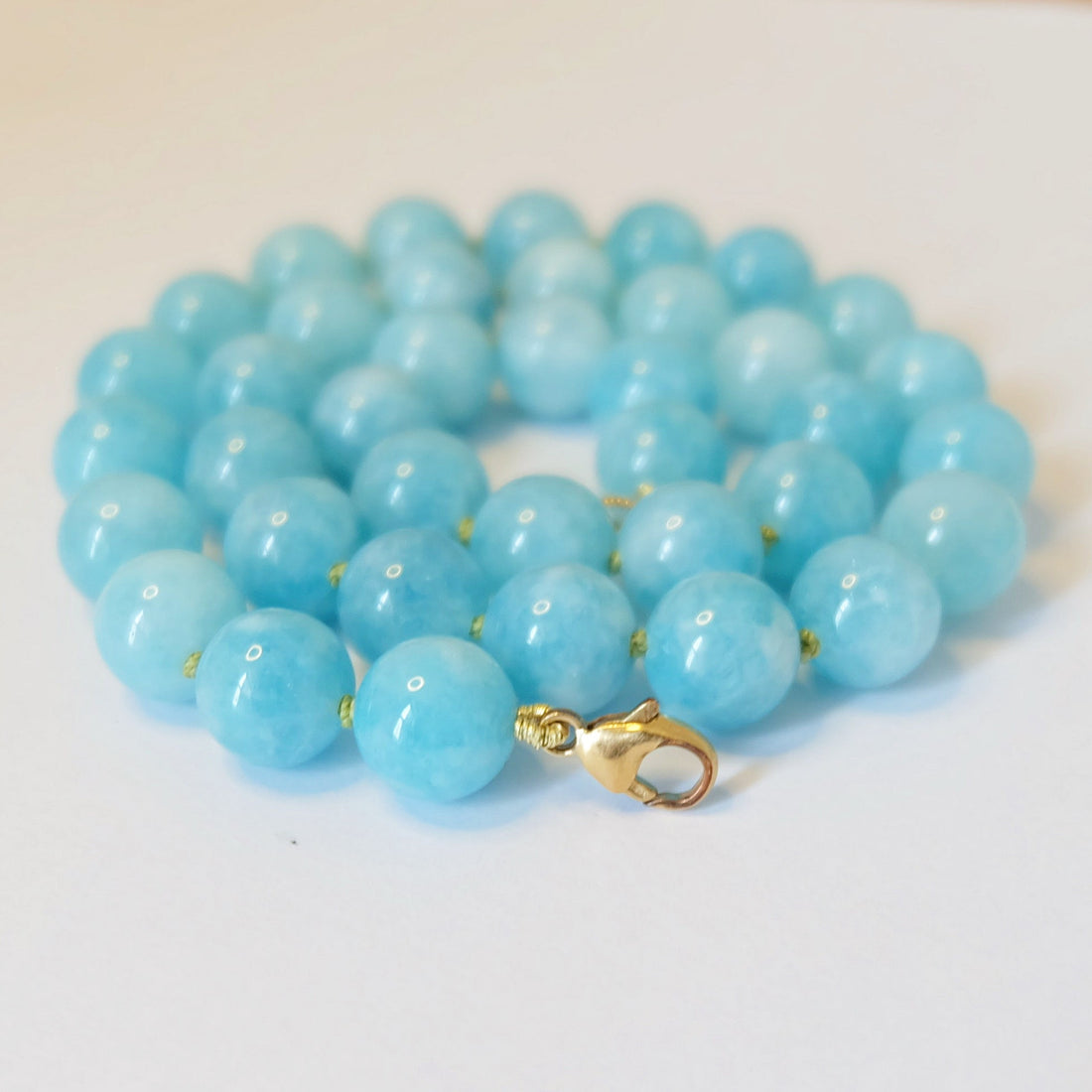
Aquamarine vs Turquoise: Which Gemstone is Right for You?
Aquamarine vs Turquoise: Understanding the Differences
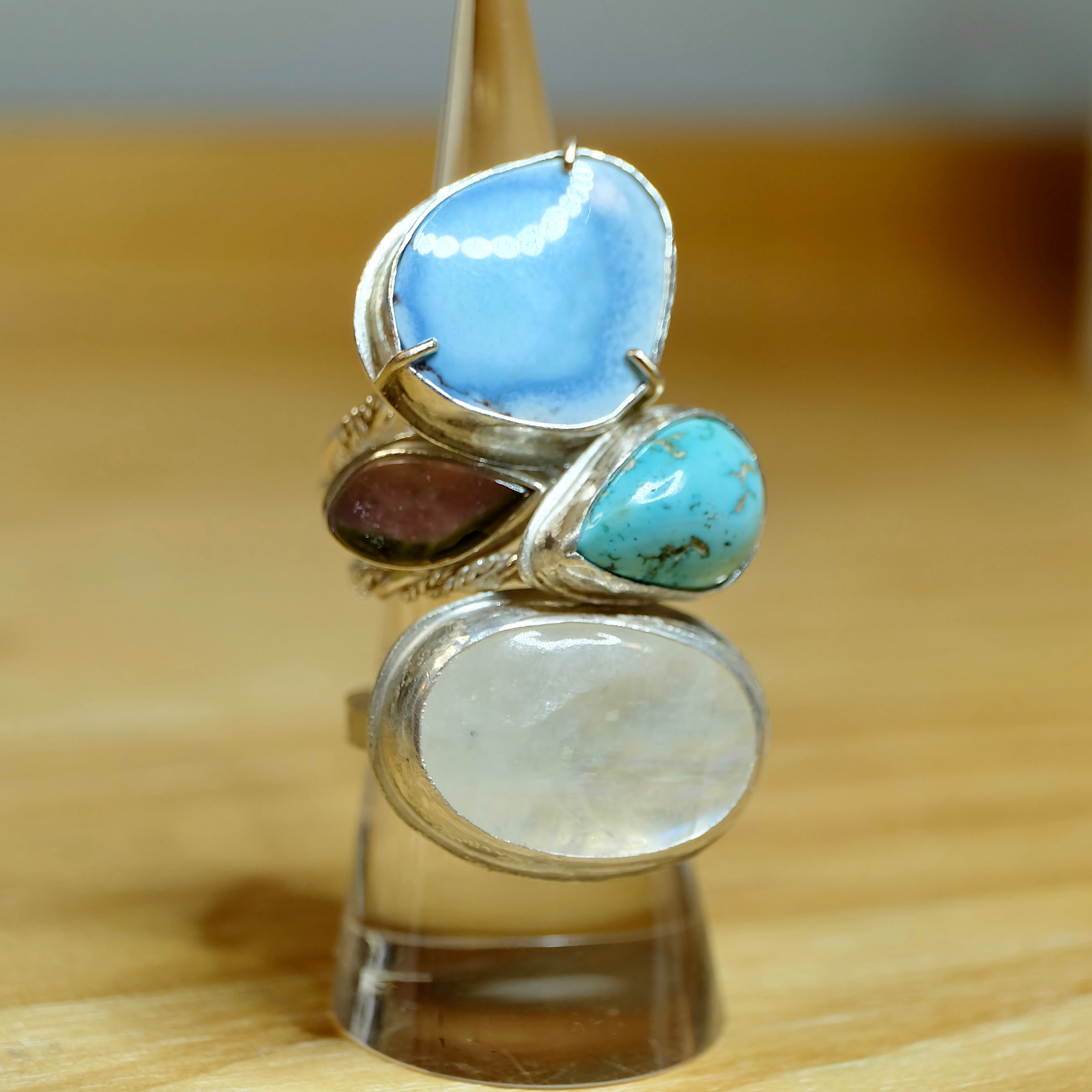
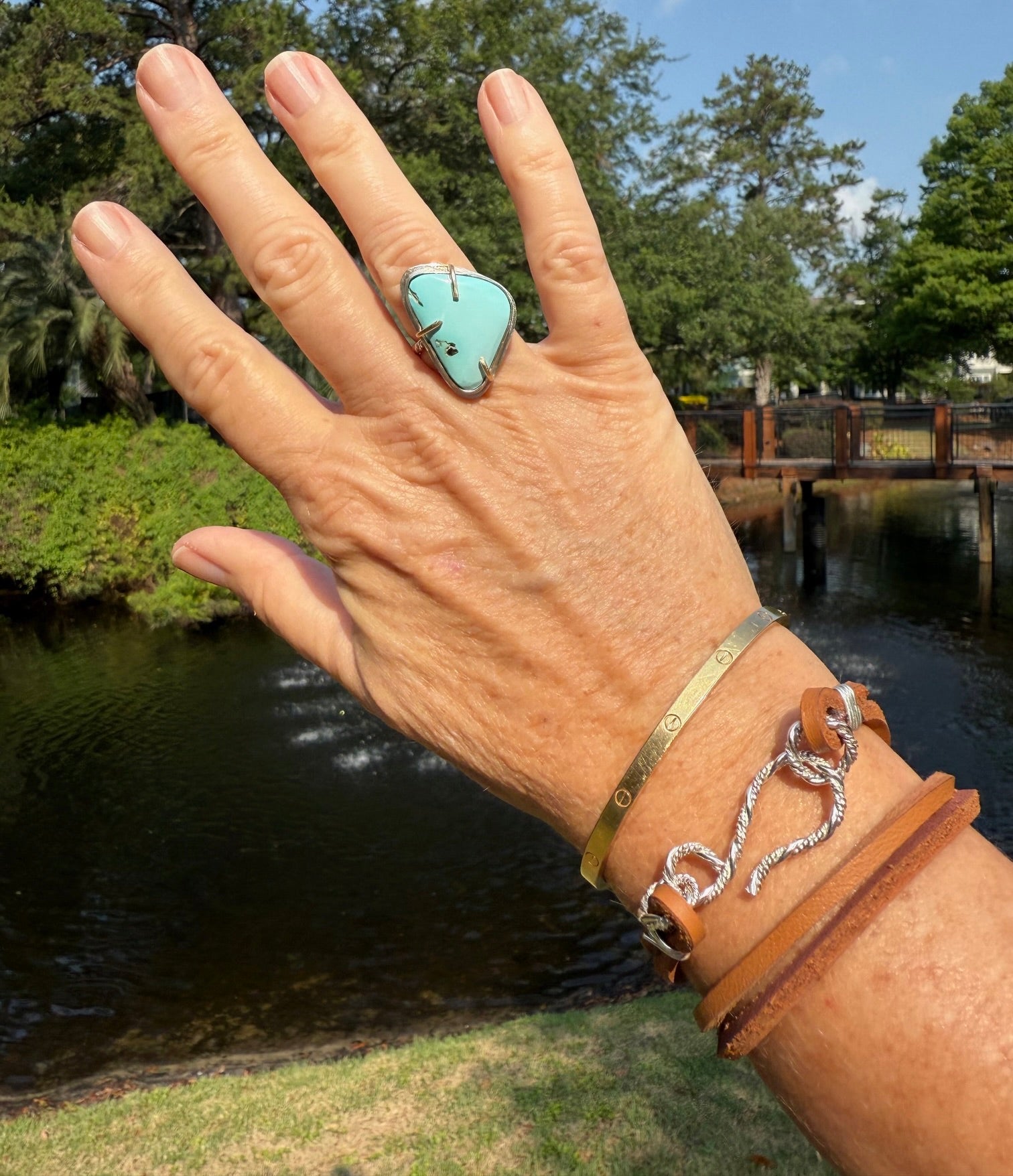
Aquamarine vs Turquoise — Shop the Look
Both aquamarine and turquoise have rich histories and striking color stories — but if you’re here because you want to wear these gems, we’ve done the work for you. At Coral Strands, we handcraft aquamarine jewelry and turquoise jewelry using AAA gemstones, custom-dyed silk, and ethically sourced gold. Each piece is designed for everyday elegance with a nod to the ocean hues that inspire our work.
- Aquamarine: serene, durable, perfect for refined daily wear or gifts for March birthdays.
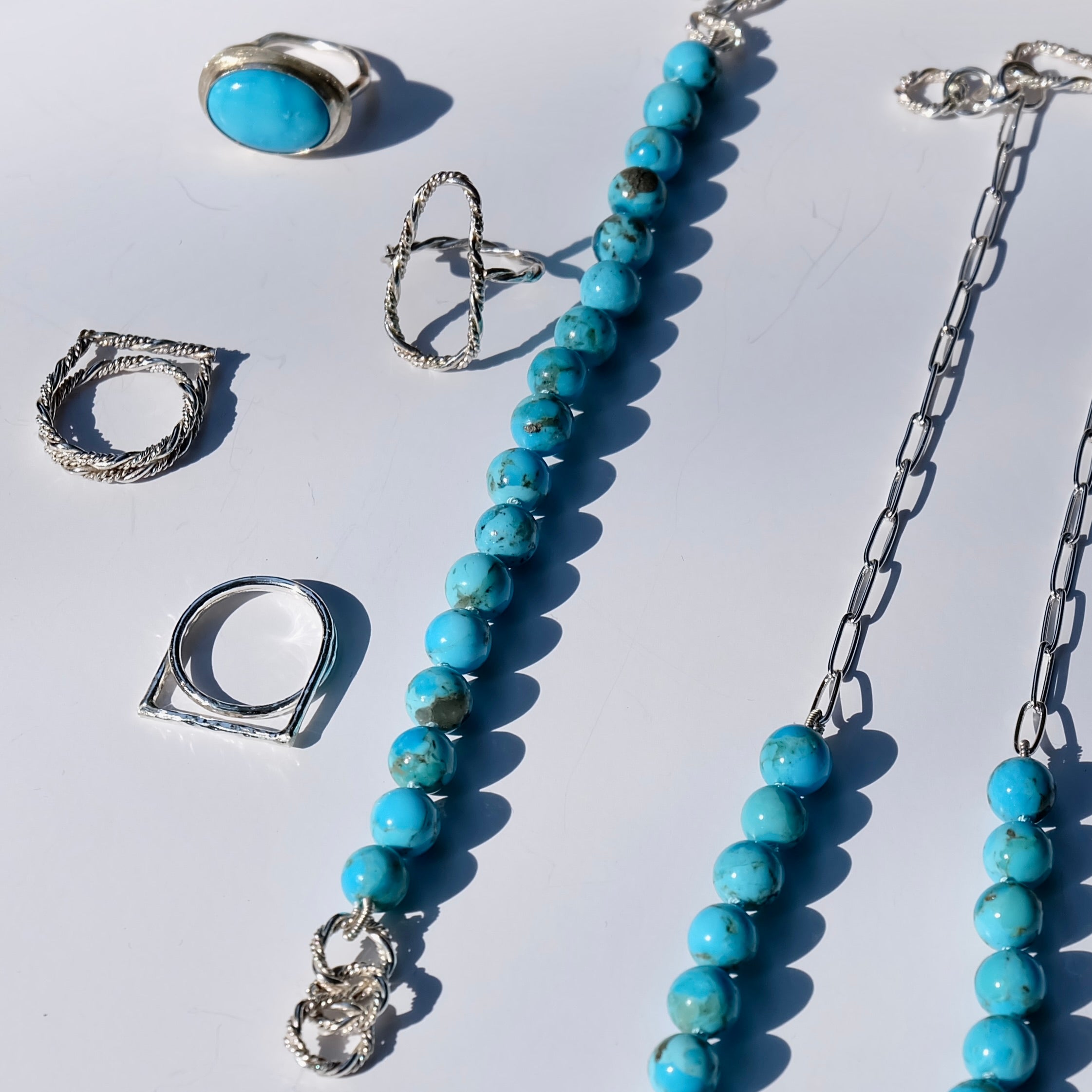
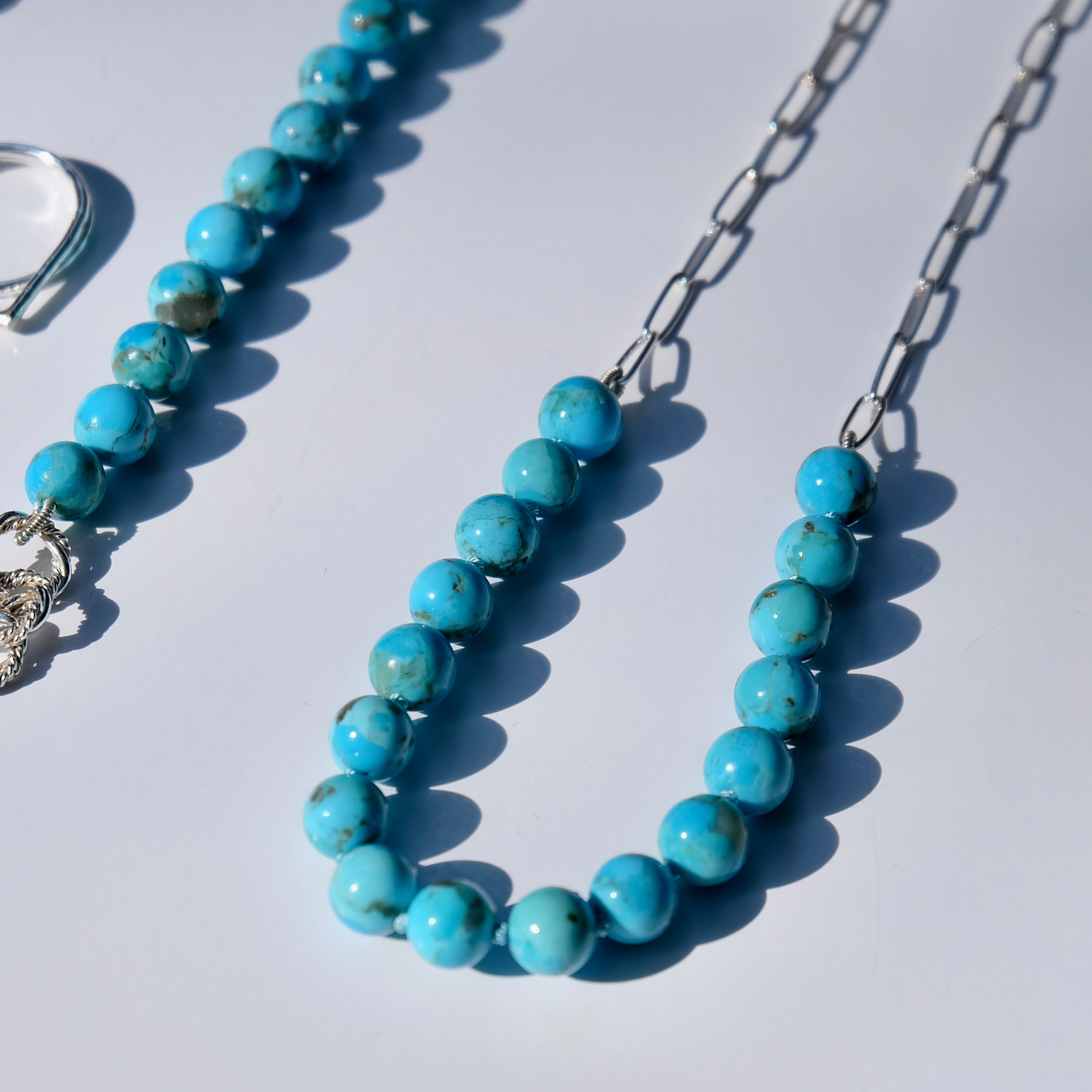
- Turquoise: bold, vibrant, and rich with heritage — a December birthstone and bohemian classic.
The Origins and History of Aquamarine vs Turquoise
Discover the unique qualities and stunning beauty of aquamarine vs turquoise to find out which gemstone best suits your style and needs.

Explore Our Collections:
Aquamarine Jewelry
Turquoise Jewelry
A Visual Comparison of Aquamarine vs Turquoise
A side-by-side look at these gemstones highlights their distinct colors, characteristics, and origins.
Aquamarine
A member of the beryl family, aquamarine has fascinated people for centuries with its captivating blue-green hues. Ancient Romans and Greeks prized it for its supposed ability to calm the sea and ensure safe voyages. While Brazil is its primary source, notable deposits exist in Nigeria, Madagascar, and Pakistan.
Turquoise
With a history spanning over 7,000 years, turquoise was cherished by the ancient Egyptians for jewelry and ceremonial objects. It also holds deep significance in Native American cultures, symbolizing protection and spiritual enhancement. Major sources include Iran, the southwestern United States, and China. Learn more about Kingman, AZ Turquoise.
Physical and Chemical Properties: Aquamarine vs Turquoise
Aquamarine
- Chemical Composition: Be3Al2(SiO3)6 (Beryllium Aluminum Silicate)
-
Color: Pale blue to deep blue-green

- Hardness: 7.5 to 8 on the Mohs scale (durable for everyday wear)
- Clarity: Transparent to translucent
- Luster: Glassy
Turquoise
- Chemical Composition: CuAl6(PO4)4(OH)8·4H2O (Hydrated Copper Aluminum Phosphate)
- Color: Blue to green
- Hardness: 5 to 6 on the Mohs scale (softer and requires more care)
- Clarity: Opaque
- Luster: Waxy to sub-vitreous
How to Tell Real Turquoise: Expert Tips
Symbolism and Meanings: What Do These Gemstones Represent?
-
Aquamarine: Represents tranquility, clarity, and harmony. It is believed to enhance
 communication and self-expression.
 - Turquoise: A symbol of protection, wisdom, and good fortune. Many cultures regard it as a stone of friendship, strengthening bonds and fostering understanding.
How to Choose the Right Gemstone: Aquamarine vs Turquoise
- Aquamarine: Its hardness and clarity make it a versatile choice for various jewelry types, including rings and earrings. Its subtle color complements both casual and formal attire.
- Turquoise: With its vibrant color and unique matrix patterns, turquoise makes a bold statement, ideal for bohemian and southwestern styles. However, its lower hardness requires careful handling.
Birthstone Significance: Aquamarine vs Turquoise
Both aquamarine and turquoise hold special meaning as birthstones.
- Aquamarine is the birthstone for March, symbolizing serenity and courage.
- Turquoise is the birthstone for December, representing good fortune and protection.
Explore Birthstone Jewelry | Origins of Birthstone Jewelry
Care and Maintenance: Keeping Your Gemstones Sparkling
Aquamarine Care Tips
- Clean gently with warm soapy water and a soft brush.

- Avoid exposure to harsh chemicals and extreme temperatures.
- Store separately to prevent scratches.
Turquoise Care Tips
- Wipe with a soft, damp cloth; avoid submerging in water or using chemical cleaners.
- Protect from prolonged sunlight exposure, which may cause color fading.
- Store in a cool, dark place wrapped in a soft cloth.
Aquamarine vs Turquoise: A Side-by-Side Comparison
| Feature | Aquamarine | Turquoise |
|---|---|---|
| Color | Pale blue to blue-green | Sky blue to green |
| Hardness | 7.5 to 8 (Durable) | 5 to 6 (Softer) |
| Clarity | Transparent to translucent | Opaque |
| Luster | Glassy | Waxy to sub-vitreous |
| Major Sources | Brazil, Nigeria, Madagascar | Iran, USA, China |
Jewelry Styles and Trends: Aquamarine vs Turquoise
Popular Aquamarine Jewelry Designs
- Rings, necklaces, and earrings in modern and antique settings.
- Popular in engagement rings for its subtle elegance.
- Often set in white gold or platinum to enhance its cool blue tones.
Popular Turquoise Jewelry Designs
- Bracelets, pendants, and traditional Native American designs.
- Frequently used in silver settings, which enhance its earthy appeal.
- Statement pieces such as large turquoise rings and cuffs are trending.

Frequently Asked Questions (FAQs)
Is Aquamarine More Expensive Than Turquoise?
Generally, high-quality aquamarine can be more expensive due to its clarity and hardness. However, certain rare types of turquoise, such as high-grade Sleeping Beauty turquoise, can be quite valuable.
Can Aquamarine vs Turquoise Be Worn Together?
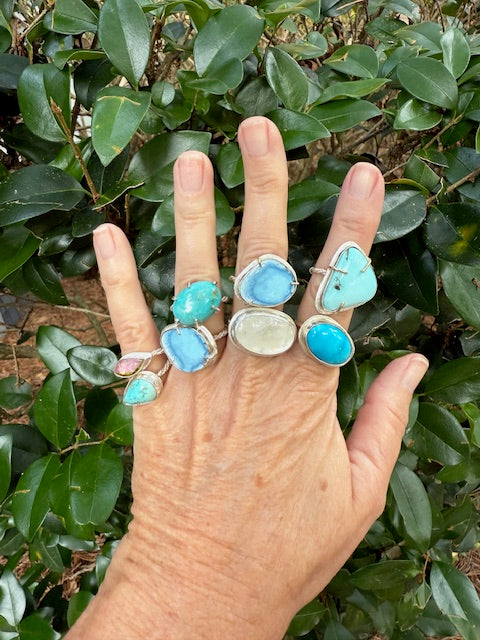
Absolutely! Their complementary blue hues create a stunning contrast, making them a great pairing in layered necklaces or stackable rings.
What Are the Best Metal Settings for Each Gemstone?
-
Aquamarine pairs beautifully with white gold, platinum, or even yellow gold for a
 warm contrast.
 - Turquoise is traditionally set in silver but also looks stunning in yellow or rose gold for a modern twist.
Choosing Your Perfect Ocean Gem
Whether you're drawn to the serene elegance of aquamarine or the bold vibrancy of turquoise, each gemstone tells a story through its color, history, and symbolism. Aquamarine’s durability makes it a timeless choice for everyday wear, while turquoise’s rich cultural heritage and striking hues add character to any collection. Choosing the right gemstone comes down to your personal style, lifestyle, and how you wish to express yourself through jewelry.
Finding Reputable Sources
Ensure quality by purchasing from Coral Strands—your trusted source for genuine aquamarine and turquoise jewelry.
Explore our collection and find the gemstone that speaks to you! Shop Aquamarine Jewelry | Shop Turquoise Jewelry